When it comes to woodworking, having the right planer can make all the difference in your projects. But with so many options out there, choosing the best one for your needs can feel overwhelming. Let’s break it down so you can find your perfect match.
First off, think about what kind of projects you’re planning to tackle. If you’re mostly working on small projects or refinishing furniture, a handheld planer might be just what you need. They’re compact, easy to use, and great for working in tight spaces. But if you’re diving into larger projects, you might want to consider a benchtop or floor-standing model. These are more powerful and can handle bigger boards with ease.
Next, consider the size and thickness of the materials you’ll be using. Check the maximum width and depth that a planer can handle. This will help you avoid any frustrating surprises down the line. Also, think about the horsepower. A more powerful motor can make your life a lot easier, especially when dealing with tougher woods.
Another key factor is the features you want. Some planers come with adjustable depth settings, which can be super handy for precision work. Others have features like built-in dust collection systems, which can save you a lot of cleanup time. Think about what would make your woodworking experience smoother and more enjoyable.
Lastly, don’t forget to check out customer reviews. Real user feedback can give you a fantastic insight into how well a planer performs in everyday situations. Look out for comments on reliability and ease of use. With a bit of research, you’ll be ready to pick a woodworking planer that fits your style and needs perfectly.
Understanding Planer Types
When it comes to woodworking, understanding the different types of planers can make a big difference in your projects. Each type serves its own purpose and can be a game changer depending on what you're trying to achieve. Let's break down the main types you’ll encounter.
Hand Planers: If you’re looking for precision in smaller projects, hand planers are a great choice. These are manual tools that let you control the depth of your cuts. They’re perfect for fine-tuning edges or smoothing surfaces. Plus, since they don’t need power, you can take them anywhere without worrying about finding an outlet.
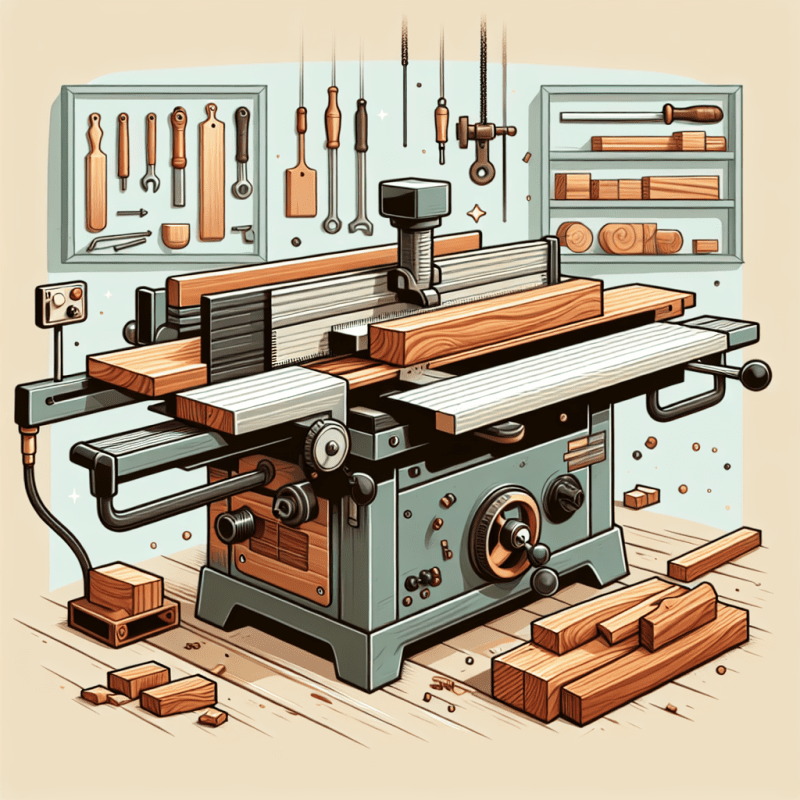
Benchtop Planers: For those who want a bit more muscle in their woodworking, benchtop planers pack a punch! These machines are more powerful and can handle larger boards. They’re also easier to set up compared to full-sized models, making them ideal for hobbyists with limited space. Just feed your wood through, and you’ll have a smooth surface in no time.
Floor-Standing Planers: If you're serious about woodworking, a floor-standing planer might be the investment for you. These heavy-duty machines can handle thick hardwoods and larger pieces. They're designed for professional use, so if you have a workshop and lots of projects planned, they can save you a lot of time with their increased speed and precision.
Lastly, there are electric hand planers, which combine the portability of hand tools with the power of machines. They’re lightweight and easy to handle, plus they speed up the process significantly. Great for quickly leveling surfaces, they can be a handy addition to your toolkit. With these options in mind, you can choose the right planer for your woodworking needs!
Key Features to Look For
When you're in the market for a woodworking planer, there are a few key features that can make a world of difference. Here’s what to keep an eye out for:
Tips for Using Your Planer
Using a planer can really elevate your woodworking projects. To get the best results with your planer, here are some handy tips to keep in mind:
And don’t forget to wear safety gear! Eye protection and earplugs can keep you safe from debris and loud noises. Happy woodworking!